

PSI AI Academy · Tier 3
AI/LLM Engineering
AI/LLM Engineering teaches how AI models work and how to build production systems on them. It starts with machine learning concepts and goes on to retrieval, evaluation, fine-tuning and models you run yourself. You build systems that are transparent and accountable as well as technically sound.
Contact us to enroll- Length
- 32 hours
- Sessions
- 11 sessions and a Demo Day
- Stack
- LangChain or LlamaIndex, Qdrant, Neo4j, Ollama
- Finale
- Public Demo Day
- Level
- Engineers and advanced developers
- Certificate
- Certified AI/LLM Engineer
Curriculum
From how a model learns to a system in production
Three phases: machine learning, building with LLMs, and running your own models.
Machine Learning01–03
- 01
Machine Learning Concepts
Learning from data, training and inference, features and labels, overfitting, measuring a model.
- 02
Neural Networks and Deep Learning
Neurons and layers, loss and gradient descent, embeddings.
- 03
Transformers and How LLMs Work
Tokens, attention, pretraining, context windows, how a model chooses its next word.
Building with LLMs04–09
- 04
LLMs in Applications
What LLMs can and cannot do, prompt engineering, structured output, LLM Ops concepts.
- 05
RAG and Context Engineering
Vector databases such as Qdrant and Pinecone, storing and querying embeddings, implementing RAG, advanced retrievers, GraphRAG.
- 06
Evals and Synthetic Data
Evaluation metrics, performance monitoring, RAGAS, synthetic data generation.
- 07
Multimodal Models
Images and scanned documents as input, speech in and speech out, choosing a model for each kind of input.
- 08
Reasoning and Guardrails
Reasoning models and setting up guardrails, with a hands-on activity and assignment.
- 09
Agents
What an agent is, tools and functions, Model Context Protocol, memory, agents versus workflows.
Running Your Own Models10–12
- 10
Model Fine-Tuning
PEFT and LoRA for models and embeddings, fine-tuning embeddings, when to fine-tune and when to retrieve.
- 11
Local Models and Deployment
Open models and choosing one, quantization, running models with Ollama and vLLM, GPUs, API endpoints, caching.
- 12
Demo Day
Pick a business problem, research the data, apply what you built, and present it publicly. See past projects
How it is delivered
Prepare with an AI tutor, then learn live online.
- 01
Video and AI tutor
Short recorded lectures before each class, with an AI tutor to work through the concepts.
- 02
Live online
Live sessions with PSI practitioners who build production AI systems.
- 03
Breakout sessions
Group exercises and sharing, where most of the hands-on work happens.
- Schedule
- 11 sessions and a Demo Day, 32 hours in all.
- Assessment
- Attendance, a spoken assessment with better-ed, our voice AI tutor, and Demo Day.
- You need
- A laptop with Python. The heavier exercises run on GPU notebooks in Google Colab, so you need no GPU of your own.
- For teams
- A company can book a private run for its staff, on a schedule that fits working hours.
Who it is for
Engineers ready to build AI, not just call it
Software engineers
Developers ready to move from calling an LLM API to building systems around one.
Data professionals
Analysts and data scientists who want retrieval, evaluation and agents in production.
Technical architects
Architects deciding how AI systems should be designed, evaluated and deployed.
Advanced CS and IT students
Students with strong programming foundations heading into AI engineering work.
Demo Day · Session 12
A production-grade AI application, presented in public
The course ends with an application for a real business problem, a technical presentation and peer review.
- 1Identify a business problem
- 2Research the datasets
- 3Apply the LLM techniques
- 4Present it publicly
Projects past cohorts built and presented
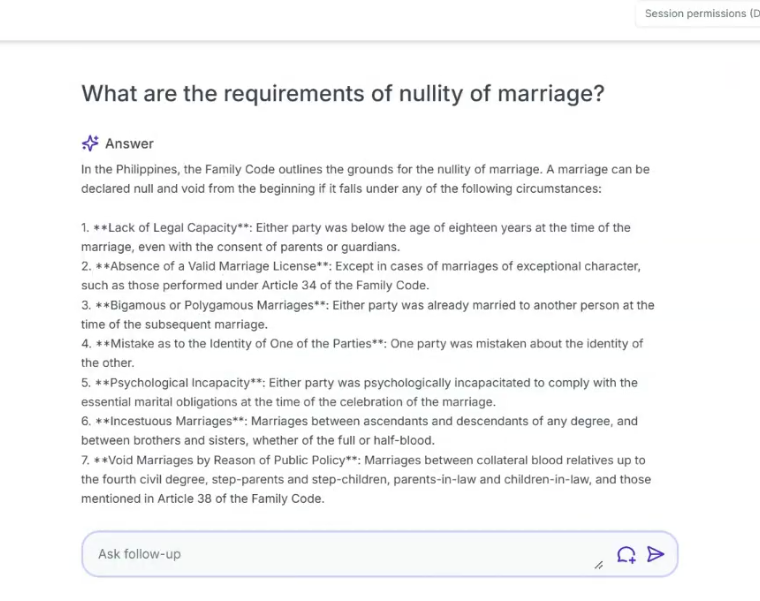
Answering questions based on law and jurisprudence
Retrieval over a body of statute and case law, where an answer that sounds right and cites nothing is worse than no answer.
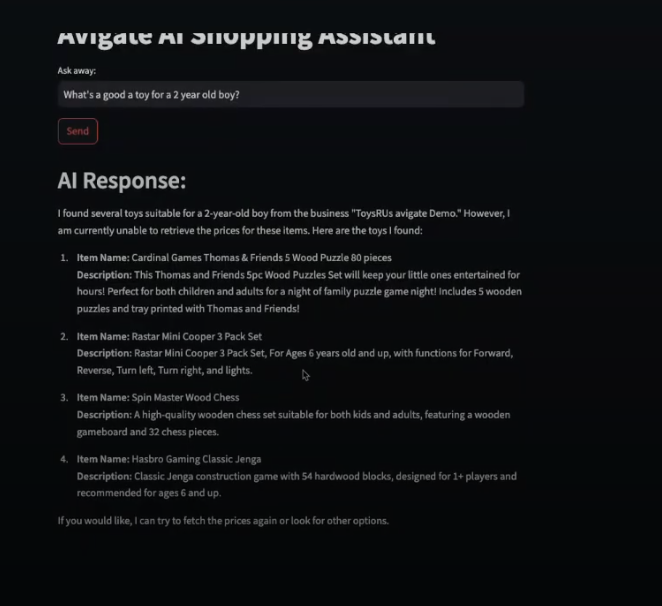
AI shopping assistant to recommend gifts
Recommendation from a conversation rather than a filter, holding what it has learned about the recipient across turns.
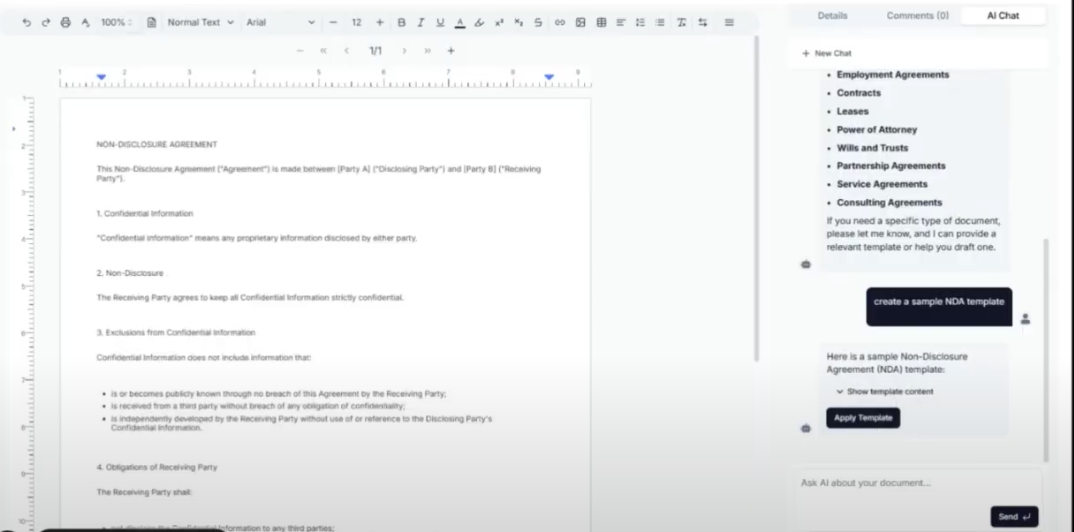
AI document drafting and revision with chat
Editing a document in place through dialogue, so a revision changes what was asked for and leaves the rest alone.
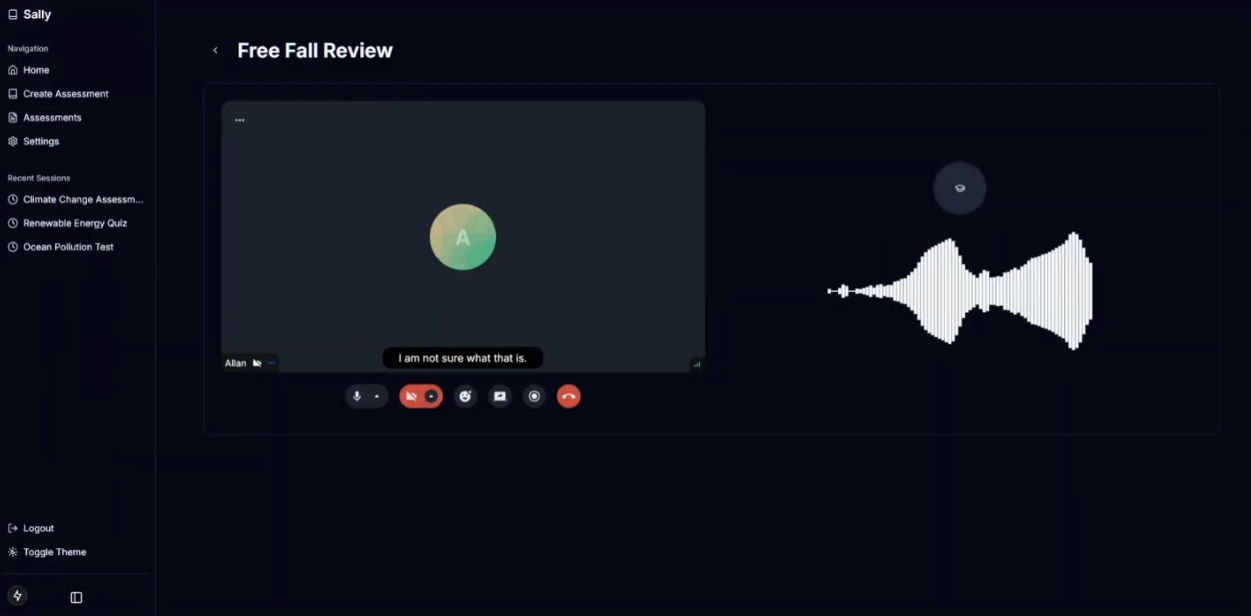
AI assessment with natural voice conversation
Spoken assessment end to end: listening, judging an answer, and deciding what to ask next, fast enough to feel like a conversation.
From our cohorts
Developers who have taken the course.
“I first joined an AI workshop in Thailand that sparked my curiosity about AI and its potential for community impact. That experience motivated me to join PSI AI Academy, where I explored LLMs more deeply and applied them to real-world problems. I’m most proud of developing an AI-powered project tied to my IoT work, which boosted my skills and confidence to pursue AI-driven solutions that make a difference.”
“Joining the AI mentorship program has been an incredible journey of growth and discovery. I’ve not only sharpened my skills but also started conceptualizing meaningful projects that connect AI to real-world impact. This experience reminds me that learning never stops and the journey always continues — and I encourage anyone passionate about AI to take this leap into endless possibilities!”
“Being part of this program has been a transformative experience. I’ve not only learned how to build and deploy AI systems but also gained the confidence to apply these skills in real-world scenarios. The hands-on approach made every session practical and rewarding, and I now feel equipped to take bold steps toward shaping the future with AI. I highly recommend this journey to anyone eager to grow.”
FAQ
Questions
What do I need before I start?
Working Python and experience with web APIs. The course teaches the machine learning concepts you need.
Is this the same as the AI-Enabled Software Development course?
No. Tier 2 teaches you to build software with AI tools. This course teaches how AI models work and how to build systems on them.
How is this different from Multi-Agent Systems Engineering?
This course covers how AI models work and how to build on one, with a single session on agents. Multi-Agent Systems Engineering is about systems of agents for business operations. This is the better course to take first.
What tools do we use?
LangChain or LlamaIndex, Qdrant and Neo4j, Ollama for local models, and GPU notebooks in Google Colab for the heavier exercises.
What happens at Demo Day?
You take a real business problem, find the data, build an AI application for it with what you learned, and present it publicly with peer review.
Do I get a certificate?
Yes. Pass the assessment and Demo Day to become a Certified AI/LLM Engineer, issued by Predictive Systems, Inc.
When does the next cohort start?
Contact us for upcoming dates.
How much does it cost?
Contact us for current rates.
Can we run it for our company?
Contact us to talk about running the course for your team.
Enroll in AI/LLM Engineering
Contact us to enroll or ask about the next cohort.